Low Fuel Consumption Cars in Uganda

Fuel is one of the biggest regular costs of owning a car, and the recent fuel levy increase makes every litre count. The best low fuel consumption cars in Uganda are compact Japanese hybrids such as the Toyota Aqua, Honda Fit Hybrid and Nissan Note e-POWER, and small petrol hatchbacks such as the Toyota Passo, Toyota Vitz and Suzuki Swift. Hybrids usually use the least fuel in Kampala traffic. Small petrol cars cost less to buy. This guide gives you official fuel figures for each model, explains real world fuel use, matches cars to driving needs and lists what to check before you buy a Japanese used car.
Quick Answer: The Most Economical Cars to Buy
Lowest fuel use: Compact hybrids such as the Toyota Aqua, Honda Fit Hybrid and Nissan Note e-POWER. Their best versions are rated above 34 km/L on Japan's official JC08 test.
Lowest buying cost: Small petrol hatchbacks such as the Toyota Passo and Toyota Vitz, rated between 24 and 28 km/L.
More space with good economy: The Toyota Prius or the Toyota Corolla Fielder Hybrid.
Top Picks by Need
| Your Situation | Car to Look At | Why It Fits |
| Daily commuting in Kampala traffic | Toyota Aqua | Hybrid rated up to 38.0 km/L (JC08). The engine often switches off in slow traffic. |
| Small family on a budget | Honda Fit | Rear seats fold flat or flip up for tall items. Petrol version rated up to 26.0 km/L. |
| Family use or long trips | Toyota Prius | Larger five seat hybrid rated 37.2 to 40.8 km/L (JC08). |
| Tightest buying budget | Toyota Passo | 1.0 litre petrol rated 28.0 km/L (JC08). |
| Frequent highway trips | Mazda Demio | 1.3 petrol rated 24.6 km/L. The 1.5 diesel is rated 30.0 km/L and suits long, steady drives. |
These picks are based on official fuel ratings and the practical points explained below. They are not a sales ranking.
Which Cars Have Low Fuel Consumption in Uganda?
The cars with the lowest fuel consumption are compact Japanese hybrids and small petrol hatchbacks. The Toyota Aqua, Toyota Prius, Honda Fit Hybrid and Nissan Note e-POWER lead on official figures. Among petrol cars, the Toyota Passo, Toyota Vitz, Honda Fit, Suzuki Swift and Mazda Demio are strong choices.
| Car Model | Vehicle Type | Powertrain | Fuel Economy | Suitable For |
| Toyota Prius (ZVW50/51, 2015 to 2022) | Midsize hatchback | 1.8 litre petrol hybrid | 37.2 km/L most grades, 40.8 km/L E grade (JC08) | Families, long trips, business use |
| Toyota Aqua (NHP10, 2011 to 2021) | Compact hatchback | 1.5 litre petrol hybrid | 35.4 to 38.0 km/L (JC08, by year) | City driving and heavy traffic |
| Toyota Aqua (2021 onwards) | Compact hatchback | 1.5 litre petrol hybrid | 33.6 to 35.8 km/L (WLTC) | Commuters who want a newer hybrid |
| Honda Fit Hybrid (GP5, 2013 to 2020) | Compact hatchback | 1.5 litre petrol hybrid | 31.4 to 37.2 km/L (JC08, by grade) | City driving with extra cabin space |
| Nissan Note e-POWER (HE12, 2016 to 2020) | Compact hatchback | 1.2 litre series hybrid | 34.0 to 37.2 km/L (JC08, by grade) | Stop and go town driving |
| Toyota Corolla Fielder Hybrid (NKE165G) | Station wagon | 1.5 litre petrol hybrid | Up to 34.4 km/L (JC08) | Families who need boot space |
| Toyota Passo (M700A, 2016 to 2023) | Small hatchback | 1.0 litre petrol | 28.0 km/L (JC08), 21.0 km/L (WLTC) | First time buyers, solo commuters |
| Honda Fit (GK3, 2013 to 2020) | Compact hatchback | 1.3 litre petrol | Up to 26.0 km/L (JC08) | Small families who need flexible space |
| Nissan Note (E12, 2012 to 2020) | Compact hatchback | 1.2 litre petrol | 23.4 to 26.8 km/L (JC08) | Small families on a budget |
| Toyota Vitz (130 series, 2010 to 2020) | Small hatchback | 1.0 or 1.3 litre petrol, 1.5 hybrid from 2017 | 24.0 (1.0), 25.0 (1.3), 34.4 (hybrid) km/L (JC08) | Budget commuters |
| Suzuki Swift (ZC83S, 2017 to 2023) | Compact hatchback | 1.2 litre petrol, mild and full hybrid versions | 24.0 (petrol CVT), 27.4 (mild hybrid), 32.0 (full hybrid) km/L (JC08) | Drivers who want a light car |
| Mazda Demio (DJ, 2014 to 2019) | Compact hatchback | 1.3 litre petrol or 1.5 litre diesel | 24.6 (petrol), 30.0 (diesel) km/L (JC08) | Highway and longer trips |
| Honda Insight (ZE2, 2009 to 2014) | Midsize hatchback | 1.3 litre petrol hybrid | 26.0 to 27.2 km/L (JC08) | Buyers wanting a lower cost hybrid |
Figures are official manufacturer ratings for front wheel drive versions with the best rating in each range. Four wheel drive versions and grades with more equipment score lower.
What the table tells you:
- Hybrids lead clearly. The Prius, Aqua, Fit Hybrid and Note e-POWER all sit well above the petrol cars.
- Engine size alone does not decide fuel use. The 1.8 litre Prius is rated higher than the 1.0 litre Passo because its hybrid system recovers energy when braking.
- The exact version matters. Two Aquas from different years, or two Fits with different equipment, can have quite different ratings.
How to Read Official Fuel Figures
Official figures are laboratory results, not a promise of what you will get on the road. Japanese used cars carry one of two test ratings.
| Test | Used On | Average Test Speed | Gap to Real Driving |
| JC08 | Most Japanese cars sold before about 2018 to 2020 | About 24 km/h | Real fuel economy was over 30% lower in a study of Japanese drivers |
| WLTC | Newer cars, including the 2021 Aqua | About 37 km/h overall, with separate city, suburban and highway parts | Real fuel economy was about 19% lower in the same study |
Simple rule: Use official figures to compare cars with each other. Do not use them to predict your exact fuel bill. A car rated 25 km/L on JC08 will usually give noticeably less in real driving, especially in heavy traffic.
Also compare like with like. A WLTC figure looks lower than a JC08 figure for the same car because the test is stricter. Toyota rated the new Aqua at 35.8 km/L on WLTC and says it is about 20% more efficient than the old model under the same test.
Best Small Cars for Low Fuel Use
Small hatchbacks are light, easy to park and cheap to run. They suit Kampala streets, where space is tight and traffic is slow. Here are the key facts for each model.
Toyota Vitz
| Key Fact | Details |
| Type | Small five door hatchback |
| Engines | 1.0 or 1.3 litre petrol. A 1.5 litre hybrid was added in 2017. |
| Official rating (JC08) | 24.0 km/L (1.0), 25.0 km/L (1.3), 34.4 km/L (hybrid) |
| Best for | Individual commuters and first time buyers |
- Good: Low running costs. The hybrid version is rated close to the Aqua.
- Watch out: As a small hatchback, it carries fewer people and less luggage than a wagon such as the Fielder.
Honda Fit
| Key Fact | Details |
| Type | Compact five door hatchback |
| Engines | 1.3 litre petrol (GK3) or 1.5 litre hybrid (GP5) |
| Official rating (JC08) | Up to 26.0 km/L (petrol), 31.4 to 37.2 km/L (hybrid) |
| Best for | Small families and people who carry goods |
- Good: Honda's Magic Seat lets the rear seats fold flat or flip up, so the car can carry tall items.
- Watch out: The GP5 hybrid uses a seven speed dual clutch gearbox. Ask a technician who knows this gearbox to check it before you buy.
Suzuki Swift
| Key Fact | Details |
| Type | Compact five door hatchback |
| Engines | 1.2 litre petrol, plus mild hybrid and full hybrid versions |
| Official rating (JC08) | 24.0 km/L (petrol CVT), 27.4 km/L (mild hybrid), 32.0 km/L (full hybrid) |
| Best for | Drivers who mostly drive alone or with one passenger |
- Good: The petrol XG weighs about 870 kg, which helps fuel use.
- Watch out: Toyota leads the local market, so confirm that Suzuki parts and service are available near you.
Nissan Note
| Key Fact | Details |
| Type | Compact five door hatchback |
| Engines | 1.2 litre petrol, or 1.2 litre e-POWER series hybrid (from 2016) |
| Official rating (JC08) | 23.4 to 26.8 km/L (petrol), 34.0 to 37.2 km/L (e-POWER) |
| Best for | Stop and go town driving |
- Good: In the e-POWER version, the petrol engine only makes electricity and an electric motor drives the wheels. This suits slow traffic.
- Watch out: The e-POWER system needs a technician who understands Nissan's hybrid electronics.
Mazda Demio
| Key Fact | Details |
| Type | Compact five door hatchback |
| Engines | 1.3 litre petrol or 1.5 litre diesel |
| Official rating (JC08) | 24.6 km/L (petrol), 30.0 km/L (diesel) |
| Best for | Drivers who travel often between towns |
- Good: The diesel is very economical on long, steady drives.
- Watch out: The 1.5 diesel's particulate filter can clog when the car is used mainly for short town trips. For Kampala traffic, the petrol version is the lower risk choice.
Quick guidance: For one person driving mostly in town, the Vitz, Passo or Swift is enough. For a small family, the Fit or Note gives more room.
Fuel Efficient Toyota Models
Toyota is the leading brand among Japanese used cars on Ugandan roads. But Toyota models are not equally economical. This table shows how the main options compare.
| Toyota Model | Size | Powertrain | Official Rating | Choose It If |
| Passo (M700A) | Small hatchback | 1.0 litre petrol | 28.0 km/L (JC08), 21.0 km/L (WLTC) | You want the lowest buying cost |
| Vitz (130 series) | Small hatchback | 1.0 or 1.3 litre petrol | 24.0 to 25.0 km/L (JC08) | You want a little more power than the Passo |
| Vitz Hybrid (from 2017) | Small hatchback | 1.5 litre hybrid | 34.4 km/L (JC08) | You want Vitz size with hybrid economy |
| Aqua (NHP10) | Compact hatchback | 1.5 litre hybrid | 35.4 to 38.0 km/L (JC08) | You commute daily in heavy traffic |
| Aqua (2021 onwards) | Compact hatchback | 1.5 litre hybrid | Up to 35.8 km/L (WLTC) | You want a newer hybrid and can pay more |
| Corolla Fielder Hybrid | Station wagon | 1.5 litre hybrid | Up to 34.4 km/L (JC08) | You need boot space for family or business |
| Prius (ZVW50/51) | Midsize hatchback | 1.8 litre hybrid | 37.2 to 40.8 km/L (JC08) | You drive long distances or carry passengers |
How to choose: If you drive mainly in Kampala traffic, an Aqua will usually use much less fuel than a petrol Vitz. If your budget is tight or you prefer simple mechanics, a petrol Passo or Vitz is the safer choice. For a family or luggage, look at the Fielder Hybrid or Prius.
Hybrid Cars That Offer Good Fuel Economy
A conventional hybrid has a petrol engine, an electric motor and a battery. It is not an electric car. You fill it with petrol and you never plug it in.
How a Hybrid Saves Fuel
- Braking charges the battery. When you slow down, the motor turns that energy into electricity instead of wasting it as heat in the brakes.
- The motor helps at low speed. The electric motor gives strong pulling power when the car moves off.
- The engine rests in traffic. In slow, stop and go traffic the engine often switches off, so less fuel is burned while waiting.
- The engine leads on the highway. At steady high speeds the engine does most of the work, so the saving over a petrol car becomes smaller.
Petrol vs Hybrid at a Glance
| Feature | Petrol Car | Conventional Hybrid |
| Power source | Petrol engine only | Petrol engine plus electric motor and battery |
| Charging | Not applicable | Charges itself while driving and braking |
| Fuel use in heavy traffic | Higher | Lower, because the engine often switches off |
| Fuel use on the highway | Moderate | Usually lower, but the gap is smaller |
| Purchase price | Usually lower | Usually higher |
| Repairs | Widely understood by mechanics | Battery and inverter need specialist checks |
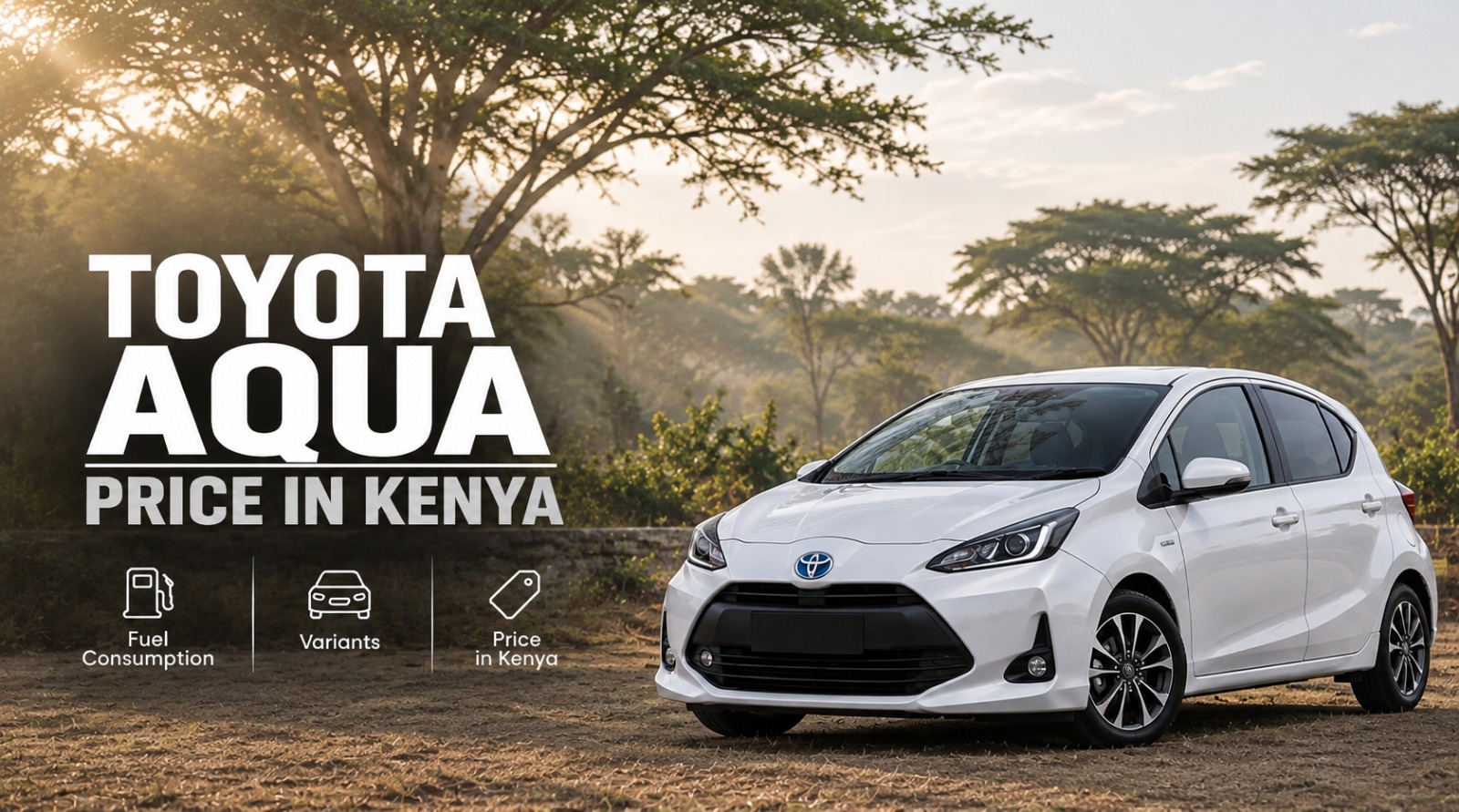
Toyota Aqua
The Aqua is a compact hybrid hatchback that once topped Japan's official fuel economy ranking for ordinary and small cars. It suits city commuters who spend a lot of time in traffic. Because it is small, it is less suited to regular trips with five adults and luggage.
Toyota Prius
The Prius is a larger five seat hybrid with more room for long distance travel. The 2009 to 2015 model (ZVW30) is rated at 32.6 km/L (JC08). The 2015 to 2022 model is rated at 37.2 km/L in most grades and 40.8 km/L in the E grade, which uses a lithium ion battery. It suits families, business owners and drivers who cover long distances.
Honda Insight
The second generation Insight (ZE2) is a hybrid hatchback with a 1.3 litre engine. Honda rated it at 26.0 km/L (JC08), later improved to 27.2 km/L. Its motor mainly assists the engine, though it can drive the car alone at low cruising speeds. It is less economical than an Aqua or Prius, so check parts supply before you buy.
Owning a Hybrid Locally
More mechanics are now trained to work on hybrids than in the early years. Still, local mechanics say some spare parts and repair equipment must be brought in from outside the country. Older used hybrids can also be costly to fix when an aged battery or inverter fails.
Before you buy a used hybrid:
- Ask for a hybrid system health check with a diagnostic tool.
- Check the dashboard for warning lights.
- Check that the hybrid battery air intake vent is clean. Toyota warns that dust there can affect battery cooling.
- Find a trusted hybrid technician near where you live.
Remember: A hybrid saves fuel, but it does not always save money. The real saving depends on how much you drive, the price you pay and the condition of the hybrid system.
Are Small Cars Better for Fuel Economy?
Usually yes, but not always. A lighter car needs less energy to move. However, technology can matter more than size. The midsize Prius hybrid is rated higher than the small Passo petrol car.
Weight matters even within one model. When an Aqua's weight reached 1,090 kg with added options, its official rating fell from 37.0 to 33.0 km/L.
| Vehicle Category | Example Models | Typical Fuel Use | Best For | Main Limitation |
| Hybrid | Aqua, Prius, Fielder Hybrid | Lowest | Heavy traffic and high mileage | Higher price and specialist repairs |
| Compact petrol hatchback | Passo, Vitz, Swift | Low | Solo commuting and town driving | Limited space |
| Small sedan or wagon | Axio, Fielder (petrol) | Moderate | Small families | More fuel than a hatchback |
| Larger family car | Premio, Allion | Moderate to high | Comfort and space | Heavier, so more fuel |
| SUV | RAV4, Harrier, Forester | High | Rough roads and big loads | Highest fuel use in this list |
A small car is a good choice if you drive mostly alone in town. If you carry four passengers every day or travel with heavy luggage, a very small car may feel crowded and underpowered. Choose the smallest car that meets your real daily needs.
Which Car Suits Your Driving Needs?
The car with the best official figure is not always the best car for you. Match the car to how you actually drive.
| Driving Need | Vehicle Type to Consider | Example Models | Important Considerations |
| Daily city commuting | Compact hatchback or compact hybrid | Vitz, Passo, Aqua | Size, fuel use and easy parking |
| Small family | Roomy hatchback or wagon | Honda Fit, Nissan Note, Fielder Hybrid | Rear seat space and boot size |
| Frequent traffic driving | Hybrid | Aqua, Note e-POWER, Fit Hybrid | Hybrid battery health and repair support |
| Longer journeys | Midsize hybrid or efficient hatchback | Prius, Mazda Demio | Comfort, engine condition and tyres |
| Business use | Economical car with space | Prius, Fielder Hybrid | Passenger and cargo needs, high mileage |
| Limited buying budget | Economical used petrol car | Passo, Vitz | Condition and ownership costs |
A cheaper petrol Vitz in good condition may cost less overall than a worn hybrid that needs major repairs. Think about your budget, weekly distance, family size, usual roads and likely repair costs before you decide.
What Affects Real Fuel Consumption?
Japanese manufacturers state that real fuel use changes with weather, traffic, sudden starts, air conditioning and maintenance such as tyre pressure. Here is what that means on local roads.
| Factor | Why It Matters | What You Can Do |
| Traffic and frequent stops | Every stop and start burns extra fuel in a petrol car | Consider a hybrid if you sit in Kampala traffic daily |
| Speed and acceleration | Hard acceleration and high speeds raise fuel use | Accelerate smoothly and keep a steady speed |
| Passengers and luggage | A heavier car needs more energy to move | Remove heavy items you do not need to carry |
| Engine condition | Dirty filters and worn parts waste fuel | Service the car on schedule |
| Tyre pressure | Soft tyres make the engine work harder | Check pressure every few weeks |
| Road conditions | Potholes, murram roads and hills mean more braking and climbing | Plan routes that avoid the worst roads where possible |
| Air conditioning | The AC adds load to the engine | Use it sensibly, especially in slow traffic |
| Petrol or hybrid | Hybrids save most in slow traffic and less on open roads | Choose the powertrain that matches your usual driving |
| Age and service history | A neglected car can use more fuel than an older, well kept one | Ask for service records before you buy |
This is why two cars of the same model can give very different results. A Vitz driven gently with correct tyre pressure will use less fuel than the same model driven hard in traffic with an overdue service.
Import Rules to Know Before You Buy
The year and condition of a Japanese import affect whether it can enter the country and how much tax you pay.
| Rule | What It Means for You |
| 15 year age limit | Vehicles older than 15 years from the year of manufacture cannot be imported |
| 13 year limit rejected | In April 2026 Parliament rejected a bill that would have cut the limit to 13 years |
| Environmental levy | Newer cars up to eight years old are exempt. Older cars attract the levy, which raises the landed cost |
| Import taxes | URA charges can include import duty, VAT, withholding tax, infrastructure levy and environmental levy |
| Roadworthiness inspection | Used vehicles must pass a UNBS approved inspection before shipping. A car shipped without a certificate can face a 15% CIF penalty |
Important: Vehicle import rules have changed several times in recent years. Always confirm the current rules with URA and UNBS before you pay for a car.
What to Check Before Buying a Fuel Efficient Used Car
A car advertised as fuel efficient can still use too much fuel if it has mechanical problems. Use this checklist on the actual car, not just the model name.
Paperwork
- Model year is within the 15 year import limit
- Auction sheet shows the grade, recorded mileage and inspector notes
- Service records show regular oil changes and repairs
- UNBS roadworthiness certificate and URA customs documents are in order
- The car can be registered in your name
Mechanical condition
- Engine runs smoothly with no unusual noise, smoke or oil leaks
- Gear changes are smooth, especially on CVT and dual clutch gearboxes
- No signs of accident repair, uneven panel gaps or frame damage
- Suspension, tyres and brakes are in good condition
- Spare parts for the model are easy to find locally
Hybrids only
- Diagnostic check of the hybrid battery and system
- No hybrid warning lights on the dashboard
- Battery air intake vent is clean
Total cost
- Price, taxes, registration, insurance and expected repairs added together
Buy Your Economical Japanese Car from Khushi Motors
Khushi Motors is a Japanese used car dealership that has served customers since 2009. We are a KNCCI Award Winner in Kenya and serve buyers across East Africa, including Uganda. If you are looking for a fuel efficient Japanese import, browse our Uganda stock page and compare options side by side. You can also explore our Toyota cars in Uganda for more Toyota models.
Whichever car you choose, compare the mileage, condition, auction grade, specifications and import documents before you buy. A slightly more expensive car with a clean history is often cheaper to own over time.
Final Thoughts
The best low fuel consumption cars in Uganda fall into two groups:
- Hybrids such as the Aqua, Prius, Fit Hybrid and Note e-POWER use the least fuel, especially in town traffic.
- Small petrol cars such as the Passo, Vitz, Swift and Demio cost less to buy and have simpler mechanics.
Choose based on how and where you drive. Always check the condition of the specific car before you pay.
Frequently Asked Questions
1. Which compact cars have the best fuel economy for driving in Uganda?
The Toyota Aqua, Honda Fit Hybrid and Nissan Note e-POWER have the best among compact cars. Their best versions are rated above 34 km/L on the JC08 test. Among petrol compacts, the Toyota Passo, Honda Fit and Toyota Vitz perform well. Real results depend on model year, condition and traffic.
2. What are the most fuel efficient vehicles suitable for Ugandan roads?
Hybrids such as the Toyota Prius and Toyota Aqua are the most fuel efficient for mixed driving. For families or upcountry trips, a well maintained Corolla Fielder Hybrid gives more space while keeping fuel use low. Whatever you choose, check the suspension, because poor roads wear it quickly.
3. Which hybrid cars are practical to own in Uganda?
The Toyota Aqua and Toyota Prius are practical choices because Toyota leads the local used car market. The Honda Fit Hybrid and Nissan Note e-POWER are also good options. Before buying, confirm battery health with a diagnostic check and find a reliable hybrid technician nearby.
4. Which Toyota cars have the best fuel economy in Uganda?
The Toyota Prius has the highest official rating, up to 40.8 km/L (JC08) for the 2015 E grade. The Aqua follows closely. Among petrol Toyotas, the Passo is rated at 28.0 km/L and the Vitz up to 25.0 km/L. Actual results depend on condition and driving style.
5. Are hybrid cars more fuel efficient than petrol cars in Uganda?
Yes, in most cases, especially in slow city traffic where the engine can switch off. On open highways the gap is smaller. Hybrids usually cost more to buy, and an aged battery can be expensive to fix. The saving depends on your mileage, purchase price and the car's condition.
6. Which affordable cars offer good fuel economy in Uganda?
Older petrol hatchbacks such as the Toyota Passo, Toyota Vitz, Honda Fit and Suzuki Swift are usually the most affordable economical cars. They cost less to buy than hybrids and have simpler mechanics. Choose one with a clear service history, because poor maintenance increases fuel use.

Brian Otieno
Vehicle Import & Logistics Specialist
Brian specializes in vehicle sourcing from Japan and oversees the import process from auctions to final delivery. He writes detailed guides explaining shipping procedures, customs documentation, taxes, and vehicle import regulations across East Africa.
Ready to Find Your Perfect Car?
Browse our extensive inventory of quality Japanese used cars or contact our team for personalized assistance.